Bridging the Gap Between Academia and Industry
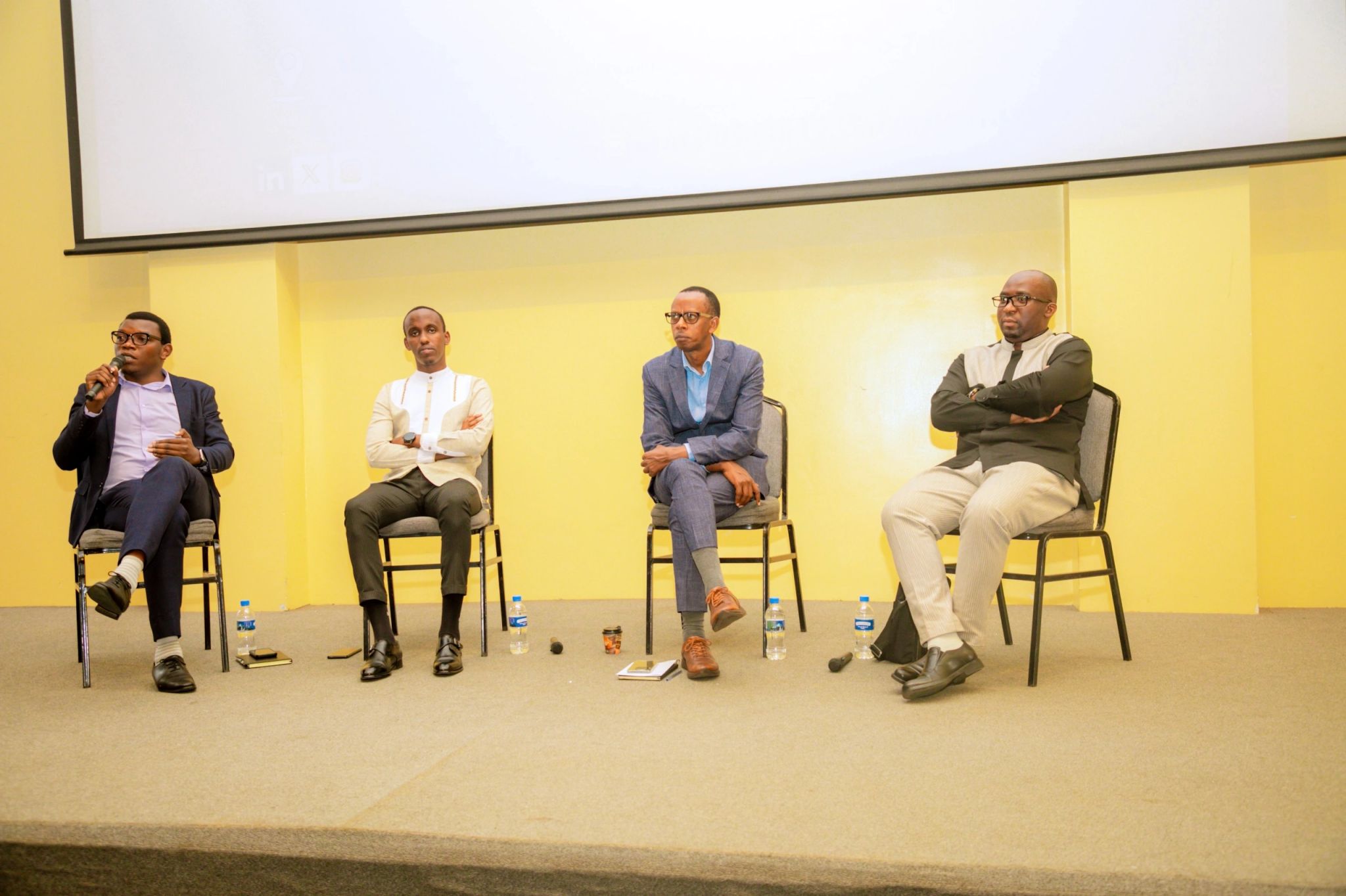
On November 5, 2025, Mr. Celestin chaired a Panel Discussion during the Statistics for Impact Workshop, organized by the University of Rwanda’s College of Business and Economics in collaboration with the National Institute of Statistics of Rwanda (NISR).
The three-day workshop, held under the theme “Empowering Future Statisticians: Practical Application, Microdata Access and Use in Research,” brought together students, alumni, academics, and industry professionals to strengthen the link between statistical education and practical application in the field. The event served as a platform for mentorship, networking, and knowledge exchange, aimed at equipping young statisticians with the skills required to thrive in Rwanda’s growing data ecosystem.
Panel Focus: Internships, Employability, and Industry Expectations
The panel discussion moderated by Celestin centered on employers’ expectations, career-entry barriers, and the challenges hindering the empowerment of young statisticians. It also examined how academic institutions and professional bodies can collaborate to foster work-readiness and professional growth among graduates.
The panel featured distinguished contributors, including Dr. Ignace Kabano, Dr. Theogene Rizinde, Celestin Niyomugabo and Mr. Festus, each offering practical perspectives informed by their experience in academia, research, and professional mentorship.
Key Insights from the Discussion
Dr. Ignace Kabano encouraged young statisticians not to prioritize financial gain immediately after graduation. He advised that early career stages should focus on gaining practical exposure and building competence, even when remuneration is modest. According to Dr. Kabano, professional maturity and expertise are developed through experience and continuous learning rather than initial salary levels.
Mr. Theogene Rizinde emphasized that theoretical knowledge alone is insufficient in today’s workplace. He highlighted the importance of soft skills, including communication, discipline, and teamwork, which complement technical ability and enhance professional adaptability. He underscored that collaboration and ethical conduct remain central to the success of any data professional.
Mr. Festus spoke on the role of professional associations and networks, such as the Applied Statistics Students’ Association (ASSA), in supporting young statisticians. He noted that such organizations create spaces for peer learning, mentorship, and exposure to practical challenges faced in the labour market, thereby bridging the gap between university training and industry expectations.
Celestin emphasized the importance of viewing self-employment and entrepreneurship as viable pathways for statisticians. With the increasing demand for data-driven solutions across sectors, graduates can establish careers as independent analysts, consultants, or innovators contributing to Rwanda’s broader development agenda.
Audience Engagement and Discussion
The session concluded with a dynamic question-and-answer segment. Participants raised pertinent questions about internship placement, mentorship structures, and navigating professional entry in a competitive environment. The interaction demonstrated the strong interest and commitment among young statisticians to apply their skills in meaningful ways.
Conclusion
The Statistics for Impact workshop reaffirmed the importance of aligning academic training with practical experience and industry expectations. It highlighted that empowering young statisticians requires collaboration between universities, professional bodies, and employers to ensure that graduates are not only technically proficient but also adaptable, ethical, and innovative.
This dialogue marked a significant step toward nurturing a new generation of statisticians ready to drive Rwanda’s data revolution and contribute to evidence-based policymaking.